

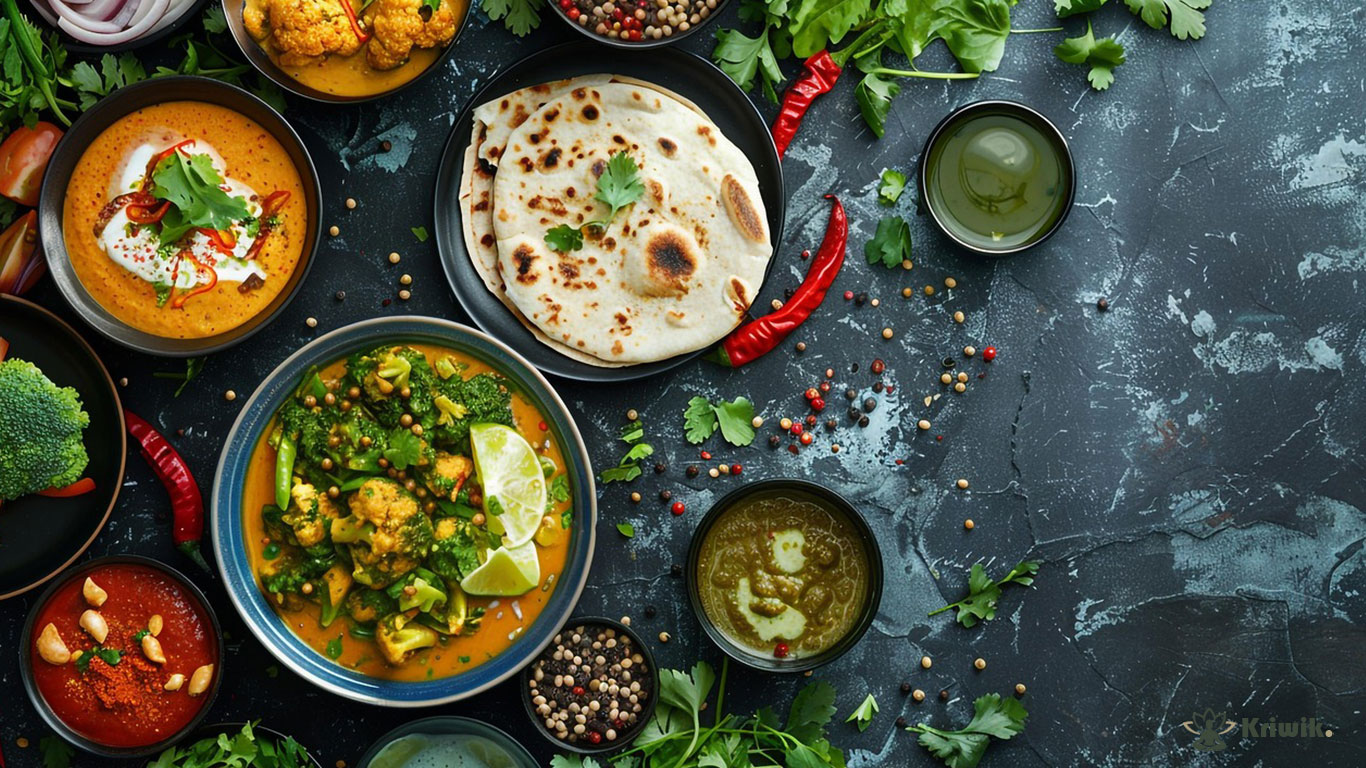
If Indian food is unhealthy, then how did our grandparents stay fit without gyms, protein powders, or calorie counting?
The truth is uncomfortable but important:
???? Indian diets don’t fail—modern eating habits do.
Most people struggle with weight loss not because they eat Indian food, but because they eat it without structure, awareness, or balance.
In this article, we’ll break down why Indian diets often fail for weight loss, the common mistakes people make, and how to fix them without giving up roti, rice, or home-cooked meals.
The Biggest Myth: “Indian Food Causes Weight Gain”
This belief has pushed millions toward:
- Extreme dieting
- Western meal plans
- Crash weight loss programs
But traditional Indian meals were:
- Seasonal
- Portion-controlled
- Routine-based
- Activity-supported
Weight gain is not about what culture your food belongs to. It’s about how, when, and why you eat.
1. Lack of Portion Awareness
Indian meals are often carbohydrate-heavy, but the real issue is portion size.
- 3–4 rotis per meal without balance
- Large rice portions with minimal vegetables
- Refilling plates automatically
- Eating until “full” instead of “satisfied”
Earlier generations ate similar foods but in controlled quantities and with physical activity. Weight loss requires awareness, not food elimination.
2. Carb Fear Without Understanding
Carbs are often blamed first:
- “Stop rice”
- “No roti at night”
- “Only salads”
This leads to energy crashes, cravings, binge eating, and poor sustainability. Indian diets fail when people remove carbs completely instead of balancing them. Carbs are not the enemy—unbalanced meals are.
3. Too Much Processed “Healthy” Food
Another modern problem:
- Packaged snacks labeled “healthy”
- Protein bars and shakes
- Refined oils and sugars
Traditional Indian diets were mostly fresh, home-cooked, and seasonal. Today’s diets fail because they mix traditional meals with processed convenience food, increasing calorie intake without nutrition.
4. Eating Without Routine
One of the most ignored factors in Indian households today is meal timing.
- Skipping breakfast
- Late dinners
- Constant snacking
- Eating while distracted
The body thrives on rhythm. Irregular eating confuses digestion, hormones, and hunger signals. No diet works without a basic routine.
5. Emotional & Stress Eating
Stress has become part of daily life:
- Work pressure
- Screen overload
- Poor sleep
This leads to sugar cravings, late-night snacking, and overeating “comfort foods.” Indian food becomes the scapegoat, but the real issue is stress-driven eating, not diet type. This is where yoga and mental wellness play a critical role.
6. No Movement to Support Diet
Earlier lifestyles included walking, manual work, and physical chores. Today: long sitting hours and minimal daily movement. Even a balanced Indian diet can lead to weight gain if the body is inactive. Diet and movement must work together.
What Actually Works for Weight Loss (Indian Context)
Instead of rejecting Indian food, the solution is structure.
- Balanced Plates: Controlled roti/rice portions, more vegetables, adequate protein, healthy fats in moderation
- Fixed Meal Timings: Eat at similar times daily, avoid late-night heavy meals
- Mindful Eating: No screens while eating, eat slowly, stop before overfull
- Support With Yoga: Improves digestion, reduces stress eating, builds discipline
Indian Diet + Yoga = Sustainable Weight Loss
Weight loss works best when diet supports the body, yoga supports the mind, and habits support consistency. This combination reduces cravings, stress, and weight regain. Extreme dieting may show fast results, but it rarely lasts.
Common Mistakes to Avoid
- ❌ Completely cutting rice or roti
- ❌ Skipping meals to “save calories”
- ❌ Relying on packaged diet foods
- ❌ Ignoring stress and sleep
Weight loss is not punishment. It’s alignment.
Final Thoughts
Indian diets don’t fail because they are unhealthy. They fail because they are followed without balance, routine, or awareness.
You don’t need imported food plans to lose weight. You need:
- Simple structure
- Conscious eating
- Daily movement
- Mental calm
When diet and lifestyle work together, weight loss becomes natural.